








Why Sport Got So Expensive, and What Athletes Can Do About It
The cost of being an athlete has exploded. Here is why sport got so expensive, who it pushes out, and how to cut the cost without quitting the thing you love.

Nobody tells you the real cost of being an athlete until you are already in it. You sign your kid up for one season, or you commit to one sport, and then the bill starts. Registration. Gear. Ice time. Gas. Tournaments three hours away. Sport got so expensive that talent is no longer the thing that keeps most people in the game. Money is.
This is not a rant. It is a look at why the price of playing climbed so fast, who it pushes out, and what you can actually do about it without quitting the thing you love.
The real cost nobody warns you about
Ask anyone who plays a serious sport what it actually costs and watch their face. Hockey is the easy example, but soccer, gymnastics, baseball, and travel volleyball are all in the same boat now. The sticker price on registration is just the entry fee. The real number is buried in a hundred smaller ones.
Here is where the money actually goes:
- Registration and league fees, often two or three times a year
- Equipment that you outgrow or wear out every single season
- Private lessons and skills camps because everyone else is doing them
- Travel, hotels, and food for tournaments that are never close to home
- Facility and ice time that keeps climbing every year
- The time cost, which nobody puts on a receipt but everybody pays
Add it up over a year and it stops being a hobby and starts looking like a second rent payment. And most families are paying it quietly, hoping nobody asks how they swing it.
Why did it get this bad?
It did not happen overnight. A few things stacked up at the same time and pushed the cost of being an athlete through the roof.
Sport got professionalized way down at the youth level. What used to be a rec league is now a development pipeline with private coaches, year-round schedules, and a price tag to match. Everybody is scared their kid falls behind, so everybody pays for more.
Gear got better and more expensive. The technology is real. So is the marketing that tells you last year's stick or last year's cleats are already holding you back. Equipment turned into a subscription you never signed up for.
Facilities got scarce and pricey. Ice, turf, court time, pool lanes. There is never enough of it, and the people who own it know that. Demand went up, supply did not, and the athlete pays the difference.
And the whole thing quietly turned into a status game. Sport became a way to signal that a family is serious, that they invest, that they can afford it. That pressure is expensive, and it has nothing to do with getting better.
The gap this creates
Here is the part that actually matters. When sport gets this expensive, it stops sorting people by who works hardest and starts sorting them by who can pay. Kids with real grit get priced out. Kids with resources but no fire stay in.
That is backwards. The whole point of sport is that it rewards the person who shows up, who grinds, who refuses to quit. Sisu does not care what your parents earn. But the system in front of it does, and that system is slowly locking out the exact people who need sport the most.
You cannot fix the entire youth sports economy on your own. But you are not powerless in it either.
What athletes can actually do about it
You do not need to accept the full price the industry hands you. Smart athletes and smart families cut the cost without cutting the commitment. Here is how.
- Buy used and buy smart. Most gear is only "old" because a brand told you so. Second-hand equipment, end-of-season sales, and swaps with older teammates save hundreds a year with zero drop in performance.
- Stop paying for every camp. You do not need every private lesson and every specialty camp. Pick one or two that actually move the needle and put in free reps on the rest. Volume of good practice beats a shiny logo on a jersey.
- Share the travel load. Carpool. Split hotel rooms. Coordinate with other families. The travel bill drops fast when nobody is paying for it alone.
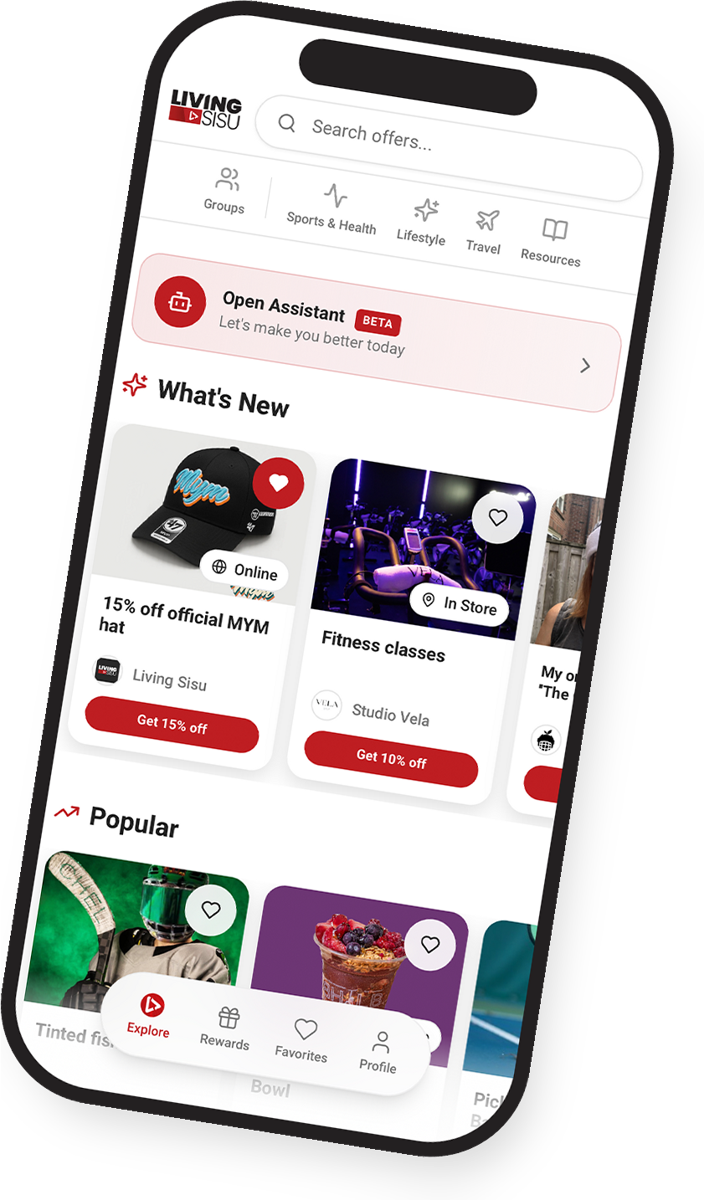
- Use every discount and deal you can find. Gear, gyms, nutrition, recovery, travel. There are real savings out there for athletes if you know where to look. Most people just never look.
- Protect the free stuff. The work ethic, the reps in your driveway, the conditioning you can do with nothing but your body. That is where most of the actual growth comes from, and it costs zero.
None of these make you soft. They make you resourceful. And resourceful is an athlete trait, same as speed or strength.
Sisu is free. The gear is not.
Here is the honest truth. The mindset that makes you good is free. Showing up cold and tired. Doing the rep nobody sees. Losing and coming back. That is sisu, and no invoice can touch it.
But the stuff around the mindset, the gear and the ice and the travel, that keeps getting more expensive. So the goal is simple. Guard the free part like your life depends on it, and get ruthless about cutting the cost of everything else. That is how you stay in the game when the game keeps trying to price you out.
You are not soft for caring about the cost. You are smart. And smart athletes last longer than rich ones.
You handle the sisu. We will handle the rest.
This is exactly why we built the AthleteCard. It is free for every athlete, and it unlocks real deals on gear, gyms, nutrition, travel, and recovery, plus a community that pushes you forward instead of pricing you out. The grind is on you. Cutting the cost is on us.
Get your free AthleteCard at livingsisu.com and stop paying full price to chase the thing you love.