








Pressure From Parents in Sports: How to Keep Playing for You
Pressure from parents in sports makes good athletes quit games they love. Here's how to talk about it, find your own reason to play, and keep the game yours.

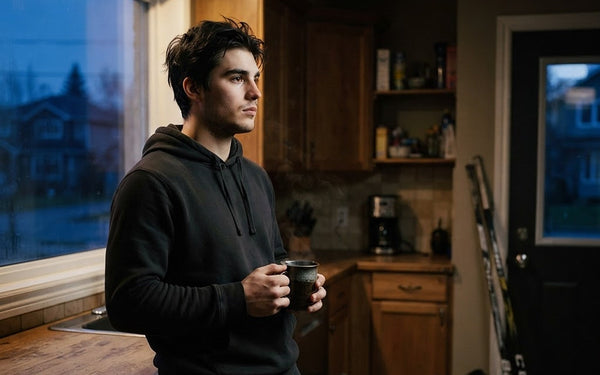
The car ride home. You know the one. You played okay, maybe not great, and before you even buckle up the replay starts. Why didn't you shoot. Why were you slow on that backcheck. Your coach should have played you more. Pressure from parents in sports is one of the biggest reasons good athletes quit games they used to love. Not because their parents are bad people. Because nobody ever talked about it out loud.
So let's talk about it. This one is for the athlete. Parents, you can read it too. Actually, please do.
Why the pressure feels so heavy
Your parents drive you at 5AM. They pay for ice, gear, camps, hotels. They sit in cold rinks and hot gyms every weekend. That's real love and real sacrifice.
The problem is that sacrifice can quietly turn into expectation. And expectation, when it lands on a 14 year old, feels like a debt. Every bad game starts to feel like you're letting someone down. Not the team. Your family.
That's a lot to carry onto the ice or the field. And here's the thing nobody tells you: you can't play free when you're scared of the car ride home.
Signs the pressure is getting to you
Sometimes it sneaks up on you. Check yourself honestly:
- You look at the stands after a mistake before you look at the play.
- You feel relief when a game is over, not joy.
- You dread the drive home more than the game itself.
- You hide bad stats or skip telling them about practice.
- You think "I can't quit, they spent too much" more than "I love this."
- Your stomach is wrecked before every game and it's not normal nerves.
If two or three of those hit, you're not weak. You're carrying weight that isn't yours to carry alone.
Their nerves are not your job
This is the big one. A lot of parent pressure is actually parent anxiety. They watch you and they can't control anything. They can't skate for you, can't take the shot, can't fix the coach's lineup. So they talk. A lot. Sometimes too much.
That's on them to manage. Not you. Your job is to compete, learn and get better. Their job is to support you. When those two jobs get mixed up, everybody loses.
Knowing this doesn't make the comments disappear. But it changes how they land. "Dad is stressed" hits different than "I'm a disappointment."
How to actually have the conversation
Most athletes never say anything. They just quietly stop having fun, and one day they quit. Don't let it get there. Here's a simple way to bring it up:
- Pick the right moment. Not after a game. Not in the car. Pick a calm day, at the kitchen table, no game in sight.
- Start with thanks. "I know how much you do for me and I'm grateful." It's true, and it lowers the walls.
- Say what you feel, not what they do wrong. "I get really tight when I know we're going to break down the game right after" works way better than "You always criticize me."
- Ask for one specific thing. Like a 24 hour rule: no game talk until the next day unless you bring it up.
- Tell them what helps. Maybe it's just "I loved watching you play." That's it. That's the whole sentence.
Will it go perfect the first time? Probably not. Have it anyway. Most parents have no idea how their words land. They'll want to know.
Find your own reason to play
Pressure gets loud when your reason to play gets quiet. If you only play because your parents want you to, every game is for them. That's exhausting.
So ask yourself: why do I actually do this? The feeling after a big save, a clean goal, a hard practice you finished strong. The guys in the room. The chirps on the bus. Getting better at something hard.
Write it down. Seriously. Put it in your notes app. When the pressure shows up, go back to it. That's sisu. Not grinding because someone is watching. Grinding because it's yours.
Control what you can control
You can't control what your parents say in the stands. You can control:
- Your effort. Every shift, every rep.
- Your prep. Sleep, food, routine.
- Your response to mistakes. Next play. Always next play.
- Who you talk to. A coach, a teammate, an older player, someone outside the family who gets it.
Build your own scoreboard. Did I compete? Did I learn something? Did I do my job? If yes, it was a good day, whatever anyone says on the drive home.
For the parents reading this
Quick one. Your kid will remember how you made them feel about the game way longer than any stat. The best line in youth sports is still "I love watching you play." Say it more. Coach less in the car. Let the coach coach.
And if your athlete comes to you with this conversation, that took guts. Listen first.
The game is supposed to be yours
Pressure from parents in sports isn't going away. People who love you will always care a lot. That's not the enemy. The goal is to turn that care into support instead of weight, and to keep the game yours.
Play for the feeling. Play for the room. Play because you chose it.
Own your journey with AthleteCard
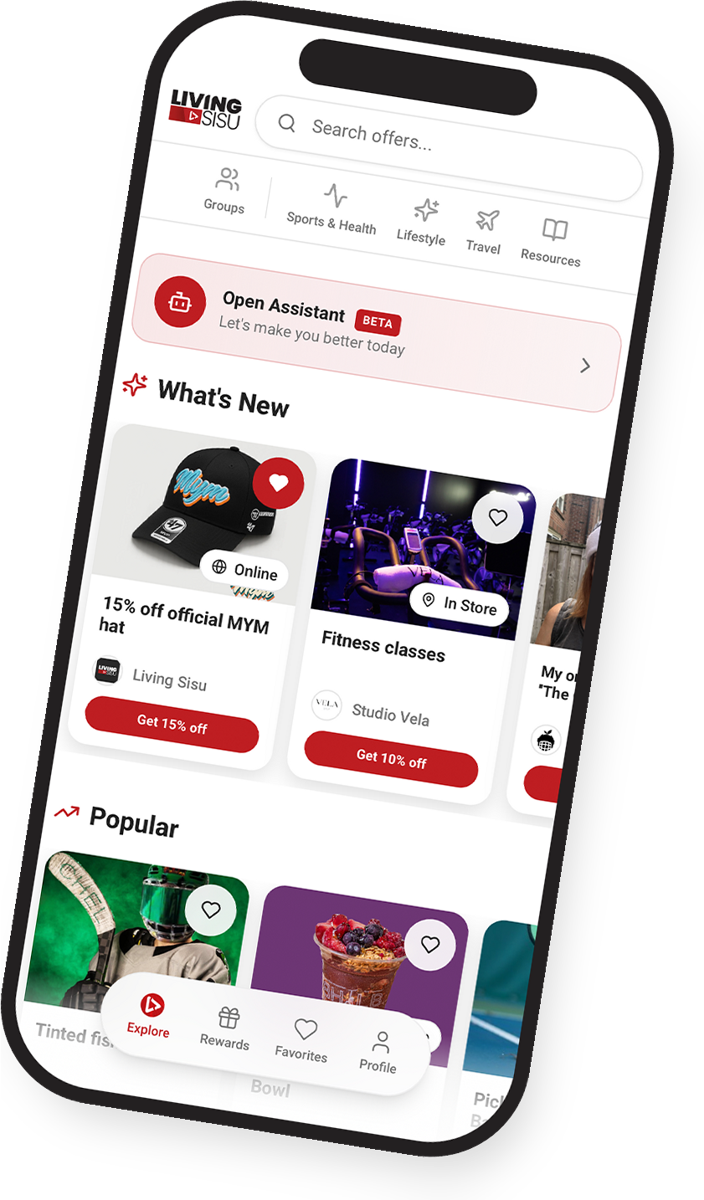
Living Sisu is built for athletes who play for themselves. With AthleteCard you get real perks from brands that back athletes, and a community that gets the grind. It's your card, your journey. Get your AthleteCard here.