








How to Handle Criticism as an Athlete (Without Shutting Down)
Criticism follows you as long as you play. Here's how to filter it, handle it in the moment, and turn it into a plan instead of letting it break you.

Learning how to handle criticism as an athlete is one of those skills nobody teaches you. Your coach yells something on the bench. A teammate rolls his eyes after your turnover. Your dad replays the whole game in the car. Somebody online has an opinion. And you sit there with your jaw tight, trying to decide if you should listen, argue, or just shut down.
Most athletes pick shut down. It feels safer. It isn't.
Here's the truth: criticism is going to follow you for as long as you play. The better you get, the more of it you'll hear. So you can either let it break you a little every time, or you can learn to use it. That's the whole game.
Why criticism hits athletes so hard
When you've put years into something, it stops being "what you do" and starts being "who you are." So when someone says your backcheck was lazy, your brain doesn't hear "your backcheck was lazy." It hears "you're lazy." "You're not good enough." "You don't belong here."
That's why a two second comment can wreck your whole night.
The problem isn't that you care. Caring is good. The problem is that you're taking feedback about one action and stamping it on your entire identity. Separate those two things and criticism loses most of its power.
You are not your last shift. You're the person who gets to decide what to do about it.
Not all criticism deserves the same weight
This part matters. Some criticism is gold. Some is noise. If you treat it all the same, you either take everything personally or you ignore everything. Both are bad.
Before you react, run it through three quick filters:
- Who is it coming from? Your coach, your trainer, a teammate who actually plays your position? Listen hard. A random guy in the stands or a comment section? Probably not worth your sleep.
- Is it about something you can control? "You need to move your feet on the forecheck" is useful. "You're too small" is not something you can fix tonight. Focus on the stuff you can actually work on.
- Is there a pattern? If one person says it once, note it. If three different people have told you the same thing this season, that's not criticism anymore. That's data.
That last one stings, but it's the most valuable. When the same note keeps coming back, it's usually right.
What to do in the moment
The worst time to process criticism is right when you hear it. Your heart rate is up, your ego is loud, and whatever you say next is probably going to come out wrong.
So keep it simple in the moment:
- Breathe before you answer. One slow breath. It buys you enough time to not say something dumb.
- Make eye contact and nod. You don't have to agree yet. You just have to show you heard it.
- Say "got it" or "okay." Not "but coach..." Not an excuse. Just two words.
- Don't explain yourself on the bench. If there's context the coach is missing, save it for later, when everyone is calm.
That's it. You're not trying to win the conversation. You're trying to not lose the next shift because you're still stewing on the last one.
What to do after (this is where you get better)
Here's where most athletes drop the ball. They survive the moment, then they either replay it all night or forget it completely. Neither one helps.
Try this instead. Later that day, when you're calm, take five minutes and write down:
- What was actually said. The words, not how it felt.
- What part of it is true. Be honest. There's usually at least a piece.
- One thing you'll do differently next practice.
That's it. Three lines. You just turned something that hurt into a plan. Do that consistently and criticism stops being an attack and becomes free coaching.
And if you genuinely don't understand the feedback, go ask. "Hey coach, you mentioned my gap control. Can you show me what you want there?" That one question tells a coach more about your character than any highlight ever will.
When the criticism is just wrong
Sometimes it is. Sometimes the person is frustrated and taking it out on you. Sometimes they missed what actually happened. Sometimes they're just mean.
You still don't need to fight it. You need to filter it.
Ask yourself one question: is there anything here I can use? If yes, take that piece and leave the rest. If no, let it go. Not every opinion gets a vote in your development.
This is especially true online. People who've never laced up skates will have strong feelings about your game. That's fine. They're not in your locker room, they don't see your work, and they don't get to decide how you feel about yourself.
And if criticism ever crosses into personal attacks, insults about who you are, or anything that makes you feel unsafe, that's not feedback anymore. Talk to someone you trust. A parent, a coach, a teammate. You don't have to carry that alone.
Thick skin is built, not born
You've probably heard someone say "you need thicker skin." Like it's something you either have or you don't.
Wrong. It's a rep. Every time you hear something hard, take a breath, pull out what's useful, and go back to work, you're building it. The first time feels terrible. The tenth time feels a bit less terrible. Eventually you'll notice that criticism doesn't knock you off your game anymore. You just hear it, sort it, and move.
That's sisu. Not being untouchable. Being the kind of person who gets hit and keeps going anyway.
The athletes who make it aren't the ones who never get criticized. They're the ones who got criticized a thousand times and kept showing up to practice the next day, a little bit better.
Track the work, not the noise
One of the best ways to stop criticism from living in your head is to have proof of your progress somewhere outside your head. When someone says you're not improving, you can look back at your season and see the truth for yourself.
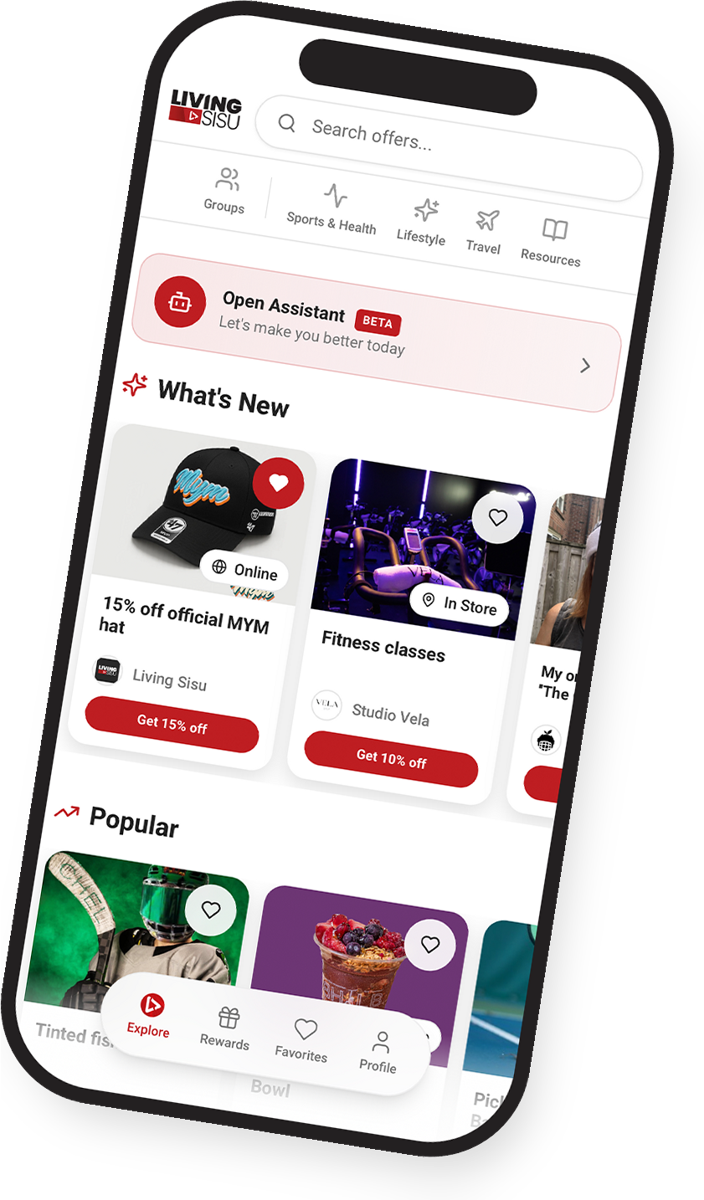
That's what AthleteCard is built for. It's your athlete profile in the Living Sisu app: your stats, your journey, your progress, all in one spot. Something real to look at when the noise gets loud.
Build your AthleteCard for free and start keeping score of what actually matters.