






Athlete Identity: Who Are You When the Game Ends?
If the sport is the only answer to who you are, you're one cut or injury away from feeling like nobody. Here's how to build an athlete identity that doesn't break when the jersey comes off.

Ask an athlete who they are and most of us answer with a position. Winger. Point guard. Midfielder. Goalie. That's athlete identity, and it's not a bad thing. It's what got you out of bed at 5AM for years. But if the sport is the only answer you have, you're one injury, one cut, one bad season away from feeling like nobody.
This isn't about caring less. It's about building something under the jersey that doesn't break when the jersey comes off.
What athlete identity actually is
Athlete identity is how much of your sense of self comes from being an athlete. High athlete identity means the sport is close to everything. Your friends are teammates. Your schedule is practice. Your mood is the scoreboard.
That commitment is a weapon. People who see themselves as athletes train harder, recover smarter and stick with it longer. Nobody grinds through a February morning skate because it's "a hobby."
The problem isn't having a strong athlete identity. The problem is having only that.
Why it hits so hard when the game goes away
Every athlete stops at some point. Sometimes it's your choice. Usually it isn't.
- You get cut at a level you thought was yours.
- An injury takes a season. Or more.
- You age out of junior, college, or the league you grew up in.
- Life shows up: work, money, family, a move.
When the sport was your whole identity, losing it doesn't feel like losing an activity. It feels like losing yourself. No more team chat. No more structure. No more reason to feel proud on a Tuesday. A lot of athletes describe the same thing: a weird empty feeling, like the volume of life got turned down.
That's normal. It's not weakness. It's what happens when you put everything in one place and that place closes.
Sisu isn't the sport. It's you.
Here's the part people miss. The things that made you good were never really about the sport.
Showing up when you didn't feel like it. Taking feedback without folding. Playing through a bad first period and still winning the third. Doing boring reps nobody claps for. That's sisu. Quiet, stubborn grit that keeps going when it would be easier to quit.
The sport was just the room where you trained it. The skill leaves the rink with you. It goes to school, to work, to your first business, to raising kids. The jersey is temporary. The person who earned it isn't.
How to build an identity that doesn't break
You don't need to wait until you retire to do this. The best time is right now, while you're still playing. It actually makes you a better athlete, because you stop playing scared.
- Name your values, not your stats. Write down three words that describe how you compete. Relentless. Honest. Loyal. Whatever is true. Those words work in any room. Points per game don't.
- Keep one thing outside the sport. A class you actually like. A part-time job. Music. Building something. One thing where you're learning and nobody is grading your shift.
- Have friends who don't care about your season. Teammates are family. But you need a couple of people who would hang out with you even if you never laced up again.
- Talk about it out loud. Tell a coach, a parent, a buddy, or a pro that you're scared of what comes after. Saying it takes most of the power out of it.
- Translate your skills. Practice saying what the sport taught you in normal words. "I can take hard feedback and fix it by the next day" is a job interview answer. So is "I've been accountable to a team since I was eight."
- Stay an athlete, just differently. You don't stop being an athlete when you stop competing at your peak. Beer league, a run club, coaching kids, lifting with a buddy. The identity can evolve instead of disappear.
If you're already on the other side
Maybe your last game already happened. Maybe it happened without a goodbye. That's rough, and nobody really prepares you for it.
A few things that help:
- Give yourself a grieving window. It's okay to miss it. Don't rush to "move on."
- Rebuild structure fast. Your body is used to a schedule. Give it one. Training times, wake-up time, a weekly goal.
- Find a new scoreboard. Something with progress you can measure. A lift, a skill, a side project, a certification.
- Stay close to the community. The locker room was half the reason you loved it. Find a version of that again, even if it looks different.
The same grit that got you through two-a-days will get you through this. It just needs a new target.
The real question
"Who are you without the sport?" sounds scary. It shouldn't. The honest answer is: the same person, with a lot of training already done. You know how to suffer a bit for something worth it. You know how to be part of a team. You know how to come back from a bad night.
That's not nothing. That's a foundation most people spend their whole life trying to build.
Be an athlete. Be proud of it. Just make sure the athlete is standing on a person, not the other way around.
Bring your athlete life with you
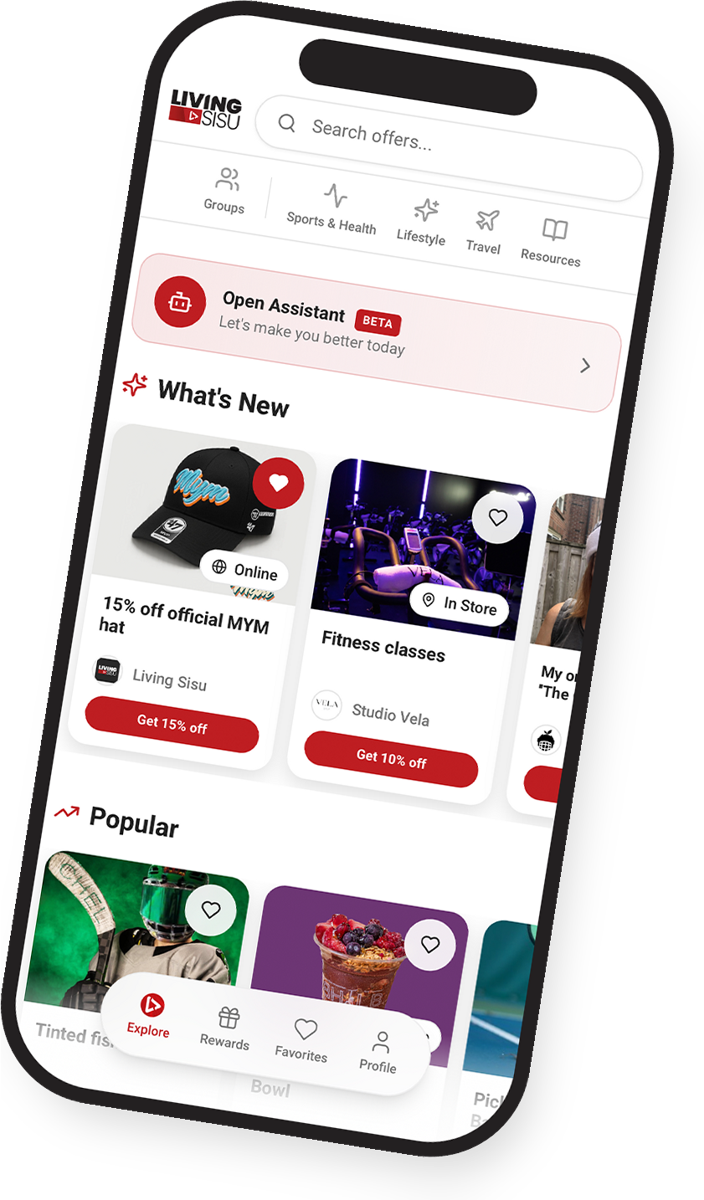
That's why we built AthleteCard. It's your athlete identity in your pocket, at every level and every age. Get access to exclusive deals from brands that back athletes, connect with your community, and keep your athlete life rolling long after your last game. Free to join.